
The evolution of casinos A journey through time and chance
The evolution of casinos A journey through time and chance
The Origins of Gambling
The roots of gambling can be traced back to ancient civilizations, with evidence of games of chance found in artifacts from Mesopotamia around 3000 BCE. Early forms of gambling included betting on the outcome of events, such as chariot races and gladiator matches. These activities were often associated with religious practices, where divination methods, like casting lots, were used to predict favorable outcomes. This blend of chance and belief laid the groundwork for the psychological allure that gambling continues to exert today, as seen in modern platforms like lizaro-casinos.co.uk.

As civilizations evolved, so did the complexity and organization of gambling. The ancient Chinese are credited with developing one of the earliest known gambling games, involving tiles and chance. The invention of dice, which emerged in India around 2000 BCE, revolutionized gambling, providing a more portable and varied means of play. These early iterations of gambling not only provided entertainment but also served as a reflection of social hierarchies and wealth distribution within communities.
By the time we reached the Middle Ages, gambling had become a staple of European culture. The emergence of public gambling houses in cities like Venice and Paris marked the transition from informal betting among friends to organized establishments. This shift laid the foundation for the casinos we know today, offering structured gameplay and attracting both the elite and the common folk alike. The evolving nature of gambling during this period illustrated not just a quest for fortune but also an exploration of human psychology, as players sought to understand the role of luck and skill.
The Rise of Modern Casinos
The 17th century marked a significant turning point in the evolution of casinos, particularly with the establishment of the first official casino in Venice, known as the Ridotto. This venue was designed to cater to the upper class, providing a lavish atmosphere where nobles could indulge in games like baccarat and faro. The Ridotto’s influence set the stage for the modern casino, making it synonymous with opulence and social status. It combined the thrill of chance with a sense of community, where players could socialize and forge connections.
As the concept of casinos spread across Europe, so did the variety of games offered. The introduction of roulette in France further enhanced the gambling experience, blending strategy with luck. As these establishments gained popularity, they began to feature lavish decor, entertainment, and culinary offerings, transforming gambling into a complete lifestyle experience. This marked the beginning of casinos as destinations, where patrons came not just to gamble but to enjoy a night out.
By the 19th century, the casino phenomenon reached the United States, particularly with the establishment of gaming towns like New Orleans. The Wild West period also contributed to the mythology surrounding gambling, with saloons serving as informal casinos. The blending of diverse cultural influences led to the creation of uniquely American games such as poker, which offered a psychological edge through strategy and bluffing. This period solidified the casino’s role as a cultural icon, reflecting the American spirit of risk-taking and opportunity.
The Digital Revolution of Gambling
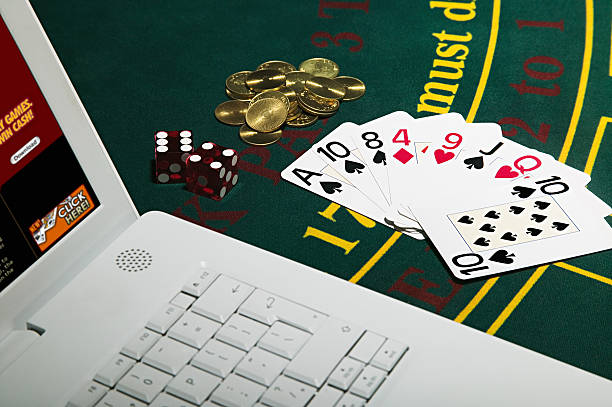
The late 20th century witnessed a seismic shift in the gambling landscape with the advent of the internet. Online casinos began to emerge in the mid-1990s, transforming how players accessed gaming. This digital evolution offered unprecedented convenience, allowing players to engage in their favorite games from the comfort of their homes. The online gaming market exploded, offering a wider array of games than traditional casinos, catering to diverse tastes and preferences.
One of the most significant advancements was the incorporation of live dealer games, which aimed to replicate the authentic casino experience online. This blend of technology and traditional gaming psychology enabled players to interact with real dealers via live streaming. As a result, the social aspect of gambling was preserved, enhancing the allure of online gaming while offering players the flexibility of choice.
Furthermore, online casinos embraced modern technology to offer enhanced security and payment options. The introduction of cryptocurrencies provided an alternative for players seeking anonymity and security in their transactions. The ongoing evolution of mobile gaming has also played a critical role, allowing users to gamble on-the-go through smartphone applications. This evolution has not only expanded the audience for gambling but also reshaped the psychological engagement players experience.
The Psychology Behind Gambling
The psychology of gambling is a complex interplay of chance, reward, and risk perception. The thrill associated with winning, combined with the hope of a substantial payout, creates a potent psychological cocktail that can lead to addiction. This phenomenon, often referred to as the “gambler’s fallacy,” refers to the mistaken belief that past outcomes influence future results. Understanding this cognitive bias is essential in recognizing why some individuals continue to gamble despite losses.
Moreover, the design of casino games plays a significant role in engaging players psychologically. Elements such as sound effects, bright lights, and the use of rewards systems create an immersive environment that enhances the thrill of the game. The concept of near-misses, where players come close to winning but ultimately do not, can lead to increased engagement and repeated play. This carefully crafted environment is designed to keep players invested, blurring the lines between entertainment and risk.
As awareness of gambling addiction grows, many casinos and online platforms are implementing responsible gambling measures. These initiatives include self-exclusion tools, setting deposit limits, and providing information on gambling addiction resources. The ongoing evolution of the casino industry incorporates a greater understanding of the psychological aspects of gambling, aiming to create an engaging yet responsible environment for players.
Lizaro Casino: A Modern Gaming Experience
Lizaro Casino exemplifies the modern evolution of online gaming, offering players a vast selection of over 10,000 titles. This platform provides a secure and user-friendly environment, ensuring an enjoyable experience for both novice and experienced gamblers. With a diverse range of slots, table games, and live dealer options, Lizaro Casino caters to a wide audience, reflecting the dynamic nature of today’s gaming preferences.
What sets Lizaro Casino apart is its commitment to enhancing player experience through generous welcome bonuses, including a 250% bonus up to £3,000 and 350 free spins. This approach not only attracts new players but also fosters loyalty among existing users. The platform’s robust payment options, including cryptocurrency, enhance accessibility, allowing players to engage with their favorite games seamlessly.
In addition to its extensive game offerings and attractive promotions, Lizaro Casino prioritizes customer support, providing assistance 24/7. This dedication to service ensures that players can resolve any issues promptly, enhancing their overall experience. As the casino industry continues to evolve, Lizaro Casino stands as a testament to the exciting possibilities that lie ahead in the world of online gaming.

Deja una respuesta